Acoustic Office Screens
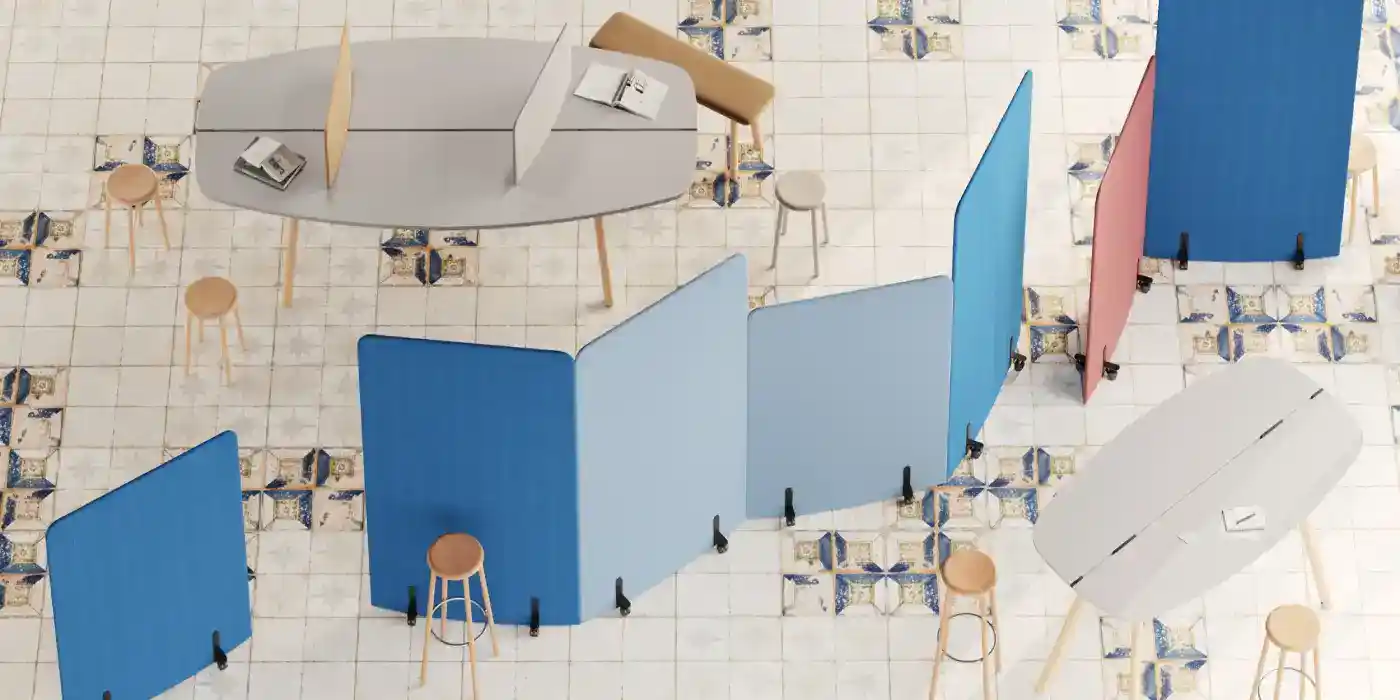
Reduce noise and improve privacy in the workplace

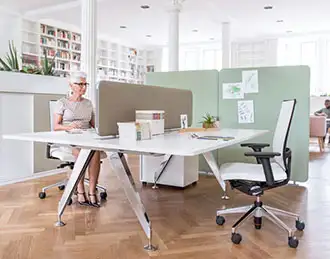
Acoustic office screens are designed to divide workspaces, reduce noise transfer, and improve privacy in busy office environments. They help minimise distractions and create quieter, more focused areas in open-plan offices.

Office screens divide spaces such as desks and work zones, while absorbing and blocking sound to help reduce noise transfer.

Freestanding floor screens and desktop dividers can be supported by wall panels, diffusers, ceiling-fixed canopies, and suspended office baffles to help improve sound control throughout the wider workspace.

Acoustic office screen types

Choose from desk screens, freestanding dividers, mobile screens, and ceiling-based acoustic solutions depending on how your workspace is used.

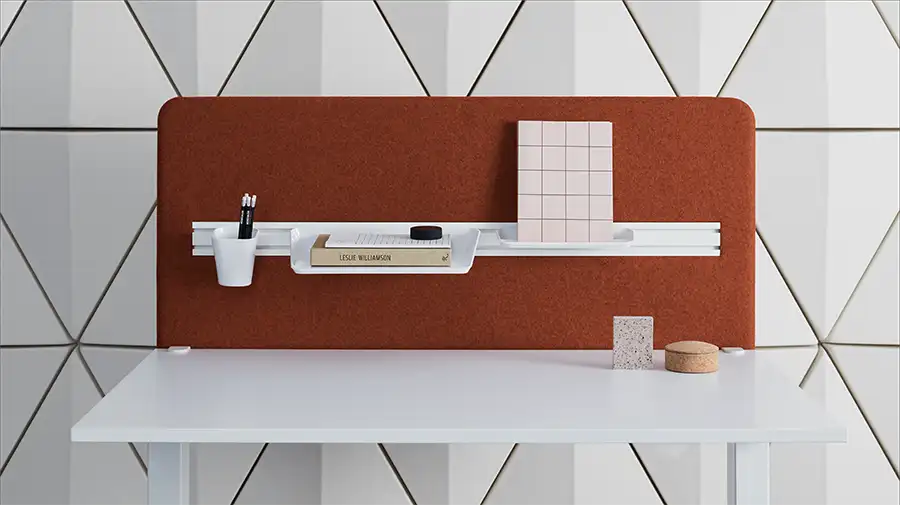
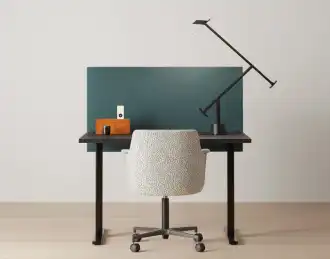
Desk screens

Ideal for separating workstations, improving privacy, and reducing desk-to-desk distraction.

Freestanding screens

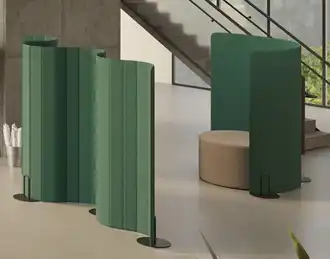
A flexible way to divide open-plan spaces, create zones, and improve acoustic comfort.

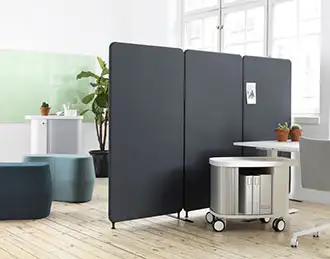
Mobile screens

Best for adaptable workspaces where layouts change and screens need to move easily.

Wall panels and baffles

Useful when you need to reduce echo across the wider room, not just at desk level.

Explore our acoustic office screen range

Browse products by screen type to find the right acoustic solution for your office, meeting space, or collaborative area.

  • show all
  • baffle
  • desk
  • freestanding
  • wall panel
  • mobile
  • canopy
  • lighting
  • scandinavian
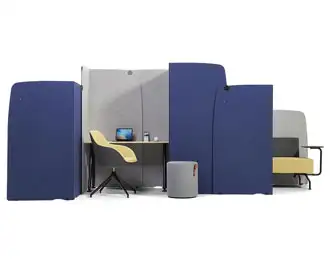
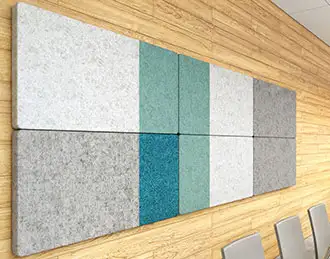
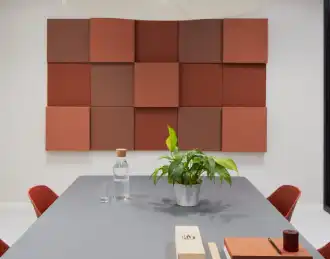
Sileo acoustic wall panels
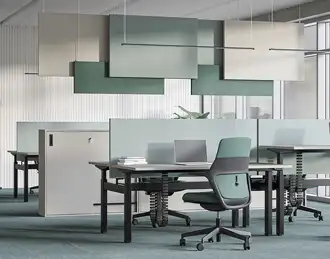
Acoustic ceiling baffles above the desk space
Acoustic screen shaped like a funky tree
Fabricks acoustic modular wall partition
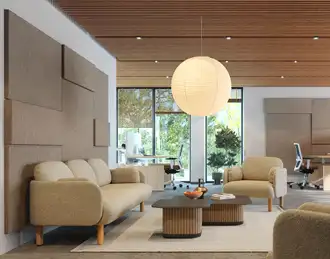
Acoustic wall panels in waiting area
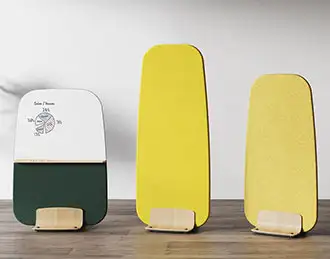
Mobile acoustic writing divide with wood trim.
Acoustic suspended cloud baffle
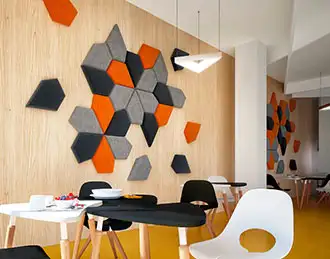
Puzzle acoustic baffles in workspace
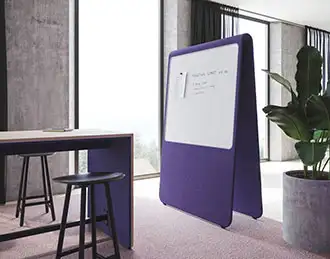
Mobile screen with whiteboard and acoustic pinnable upholstery
Snowflake suspension baffles controlling sound into a meeting area
Mobile Alp office screen with hanging whiteboard
Sand thick upholstered acoustic wall with table
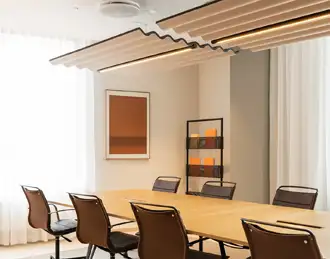
Scala acoustic ceiling canopies above a meeting room table
Formo acoustic panels on wall
Desk dividing screen with pinnable freestanding screen
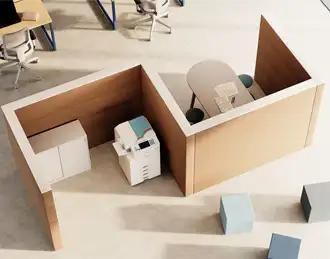
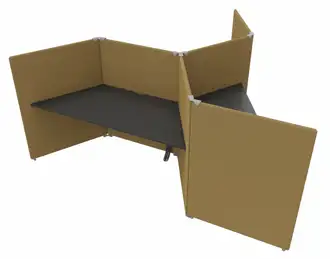
Office dividing screens around a desk
Budget acoustic folding office screen
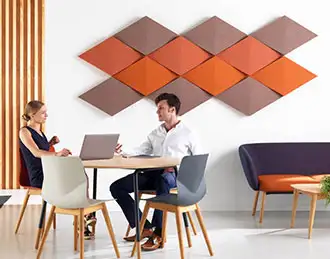
Acoustic diamond shaped wall panels

How we approach sound control within the workspace

Navigating office acoustics can be a daunting challenge, so we use the tried and tested 'A, B, C and D' of sound control.

Sound absorbers on wall with acoustic dividing screens
Absorb travelling sounds

Absorption (A)

Absorption products capture sound waves to soften the room. Rather than letting noise bounce off hard surfaces (creating that distracting echo), products like desk dividers and ceiling canopies soak up the energy for a more balanced workspace.

  • Sound absorbing dividers: Your first line of defence; catching noise right at the source.
  • Ceiling canopies: These soften the largest hard surface in your office—the ceiling.
  • Acoustic wall panels: Mount these near noise sources to stop sound from 'ping-ponging' across the room.
Thick sound-absorbing office screens
Block noise

Blocking (B)

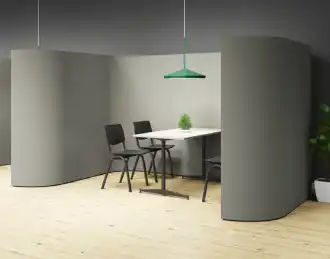
Sometimes you simply need a physical barrier. While absorption soaks up sound, blocking stops it from travelling. Solid dividers or high-back booths create a 'shadow' for sound, providing the privacy needed for deep focus.

  • Office screens: A solid screen creates a buffer. Tip: An acoustically treated screen will block and absorb sound simultaneously.
  • Acoustic storage: Mass blocks sound. Using storage with acoustic back panels provides a dual-purpose noise barrier.
  • Suspended baffles: These act as effective speed bumps for sound travelling across open-plan areas.
3D wall panels for Diffusion
Scatter sound energy

Diffusion (D)

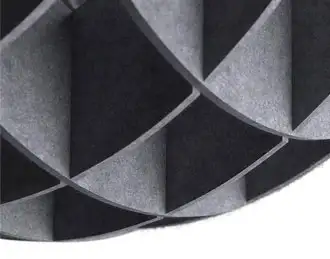
Diffusion makes an office sound more natural and are aesthetically pleasing. Rather than just absorb sound, 3D panels scatter it so the room doesn't feel 'dead' or hollow. Our 3D diffusers break up sound waves to keep the space feeling vibrant yet controlled.

  • Suspended 3D baffles: These disrupt the path of 'stray' sound energy across the room.
  • 3D wall panels: Offering a striking design aesthetic while scattering sound across different frequencies.
  • 3D partitions: The Fabricks Wall range diffuses, blocks, and absorbs simultaneously—a true win-win for the noisy workspace.
Add sound masking

Cover (C)

Cover refers to Sound Masking. This technique uses tuned white or pink noise played through discreet speakers to make ambient conversations less distracting and more private. Because this is a technical integration, we carry out site tests with third-party specialists to ensure the system is perfectly calibrated to your space.

Choosing the right acoustic solution for your workspace

Use desk screens for workstation privacy, freestanding screens for zoning, and mobile screens where layouts change often.
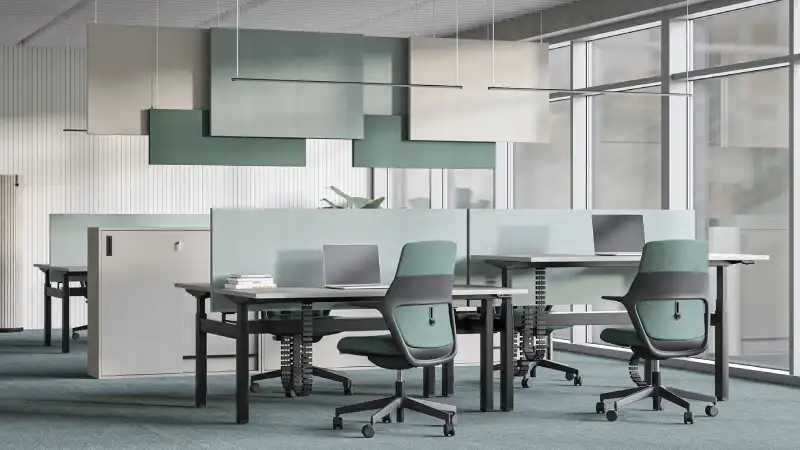
Acoustic screens in an open-plan office

Open-plan offices

Use a mix of desk and freestanding screens to reduce distractions and create quieter working zones directly within the core workspace. Wall panels, canopies and baffles can then be used to reduce sound transfer to other spaces if required.

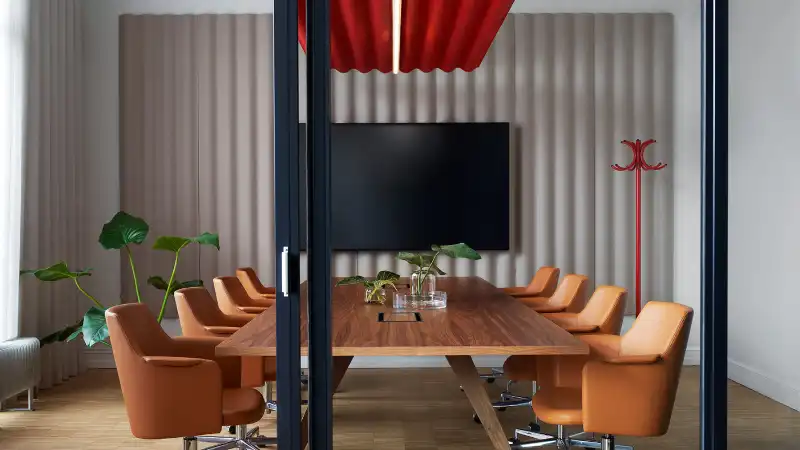
Acoustic panels & canopy in a meeting room

Meeting & breakout spaces

Wall panels, ceiling baffles and corner bass traps help control reverberation and improve speech clarity. We also offer meeting tables with acoustic structures to assist the room's ambience.

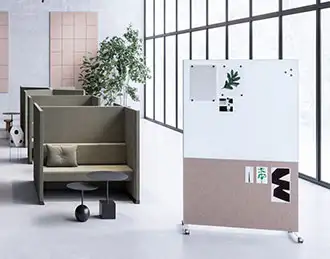
Mobile acoustic screens in a flexible office

Flexible workspaces

Mobile office screens and linking acoustic partition systems are useful where the workspace layout changes regularly.

Acoustic Office Screen FAQs

Acoustic office screens help reduce noise by absorbing sound, blocking direct speech paths, and reducing echo within open-plan workspaces. They improve privacy and create a calmer environment, but they work best as part of a wider acoustic strategy.
Sound absorbing materials reduce echo by taking in reflected sound waves. Sound blocking creates a physical barrier that helps stop noise from travelling directly between people or work areas. Many acoustic screens combine both effects.
Freestanding floor screens and desk screens are often the best starting point for open-plan offices because they help create quieter zones and improve speech privacy. For larger echo issues, they can be used alongside wall panels or ceiling baffles.
Acoustic office screens can reduce noise and improve privacy, but they do not fully soundproof a room on their own. They are most effective when combined with other acoustic products and good space planning.
Not always, but combining them gives much better results. Screens help with zoning and privacy, while wall panels and ceiling products help reduce reverberation across the wider room.
As a rule of thumb, a desk screen should sit high enough to help interrupt direct speech between seated colleagues. For privacy, the screen should usually rise above seated mouth height, depending on the desk and seating arrangement.
Choose desk screens for workstation privacy, freestanding screens for flexible zoning, and mobile screens where layouts change often. If you need help selecting the right option, it helps to consider your space size, noise level, and how the workspace is used.
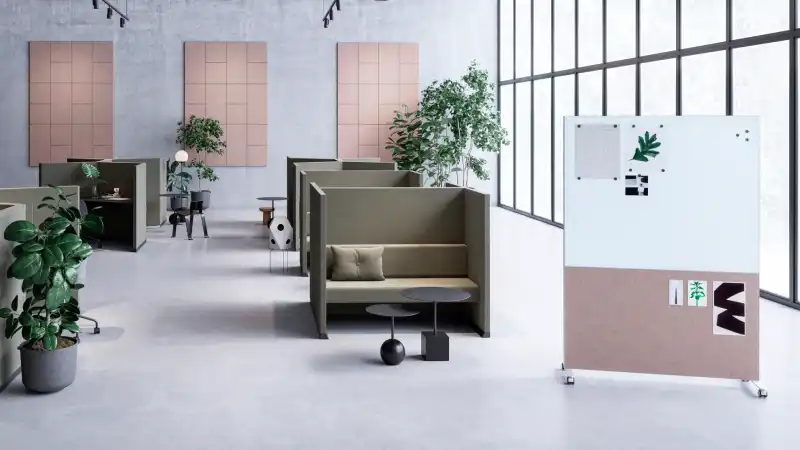
Need help choosing the right acoustic solution? Browse the range or read our acoustics guide below