The Hidden Cost of Open-Plan Noise

Did you know that a single nearby conversation can cause an individual’s productivity to drop by as much as 66%?

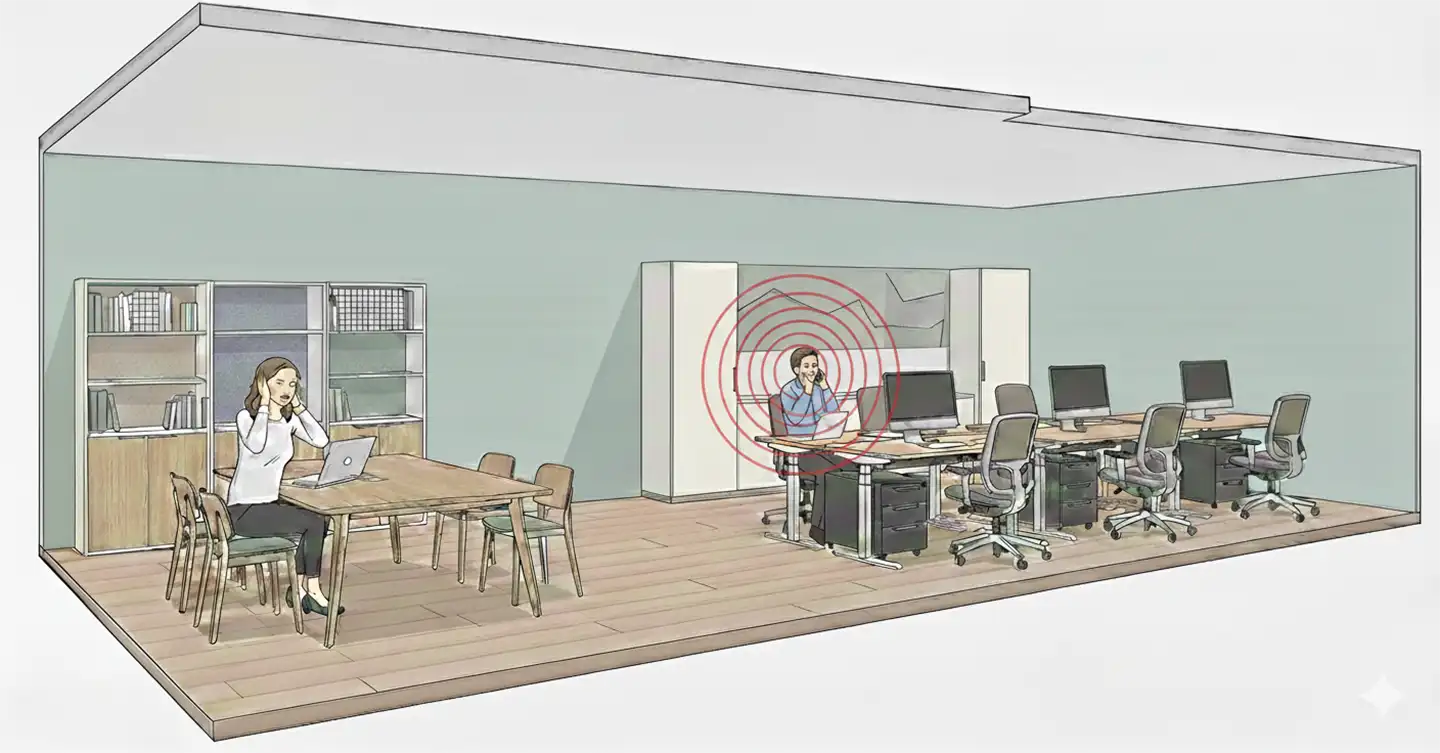
While open-plan offices are designed for collaboration, the human brain isn't wired to ignore speech. Unlike our eyes, we cannot "close" our ears. When we overhear a conversation, our brains automatically attempt to process the language (a phenomenon known as "cognitive load"). This constant mental effort leaves significantly less capacity for deep, focused work.

Research suggests that office distractions occur every 11 minutes, yet it can take up to 25 minutes to fully regain focus. Over time, this doesn't just lower efficiency; it increases blood pressure and mental fatigue.

The Solution? By using the ABCD approach and controlling travelling sound, you aren't just making the office "quieter", you are allowing the brain to "filter out" distant noise more easily, reducing mental fatigue.

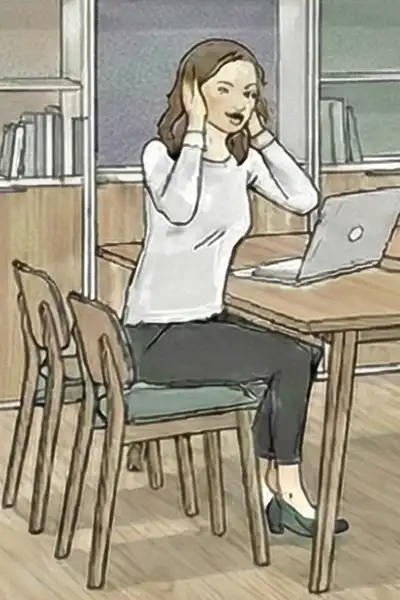
An office worker being distracted by noise

The ABCD of Acoustics

Strategies for Office Sound Control

To create a balanced soundscape that improves speech clarity and privacy, we assess your specific needs. Depending on the space, we implement a targeted combination of the four primary acoustic strategies:

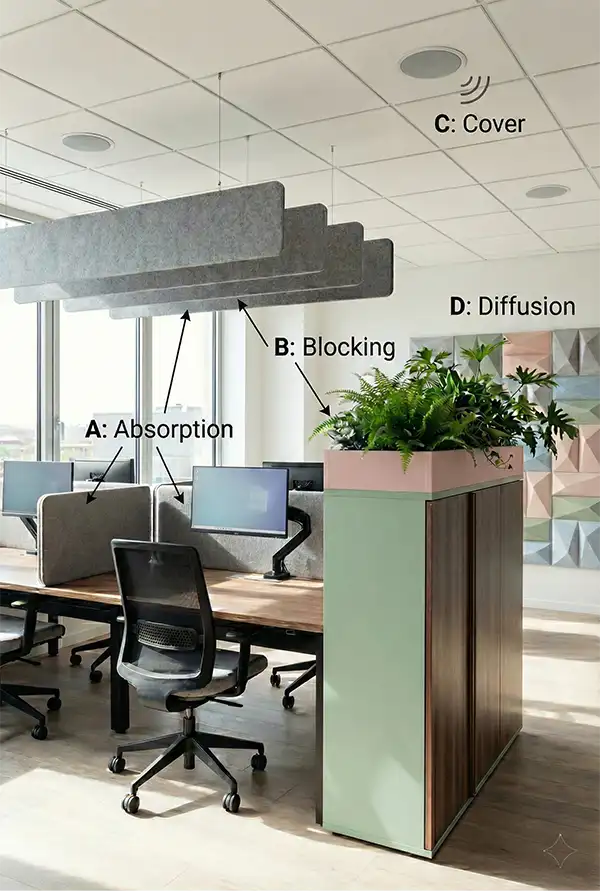
  • A is for Absorption: This is about "soaking up" sound energy as soon as possible. When sound waves hit porous materials with acoustic properties—like our upholstered panels with A to C class foams, or recycled PET panels—the energy enters the material and is converted into micro-vibrations (heat). This captures and prevents sound from bouncing back into the room as a distraction to others.
  • B is for Blocking: This strategy stops the physical path of sound. By utilising high office screens, tall storage walls, or specially manufactured freestanding partitions, we create a physical barrier that prevents direct speech from travelling from a speaker to a listener nearby.
  • C is for Cover: Also known as Sound Masking. This involves adding a consistent, low-level background sound (like white or pink noise) to make human speech less intelligible. While we do not manufacture sound masking tech, we work alongside specialist partners who can integrate this into our furniture installations.
  • D is for Diffusion: Instead of absorbing sound, diffusion scatters it. Using 3D wall panels or uneven surfaces, we can break up sound waves so they don't bounce back in a straight line. This reduces echoes and standing waves, making the room sound natural rather than "dead" or "echoey."
The ABCD of acoustics.

By implementing strategic acoustic interventions—such as sound-absorbing wall panels, ceiling baffles, and dedicated quiet zones such as privacy seating and acoustic pods—you can manage the "cognitive load" of your workspace. These combined solutions dampen ambient noise, making speech less intrusive and returning that lost 66% productivity to your team.

Strategic Zoning: Designing for Sound and Focus

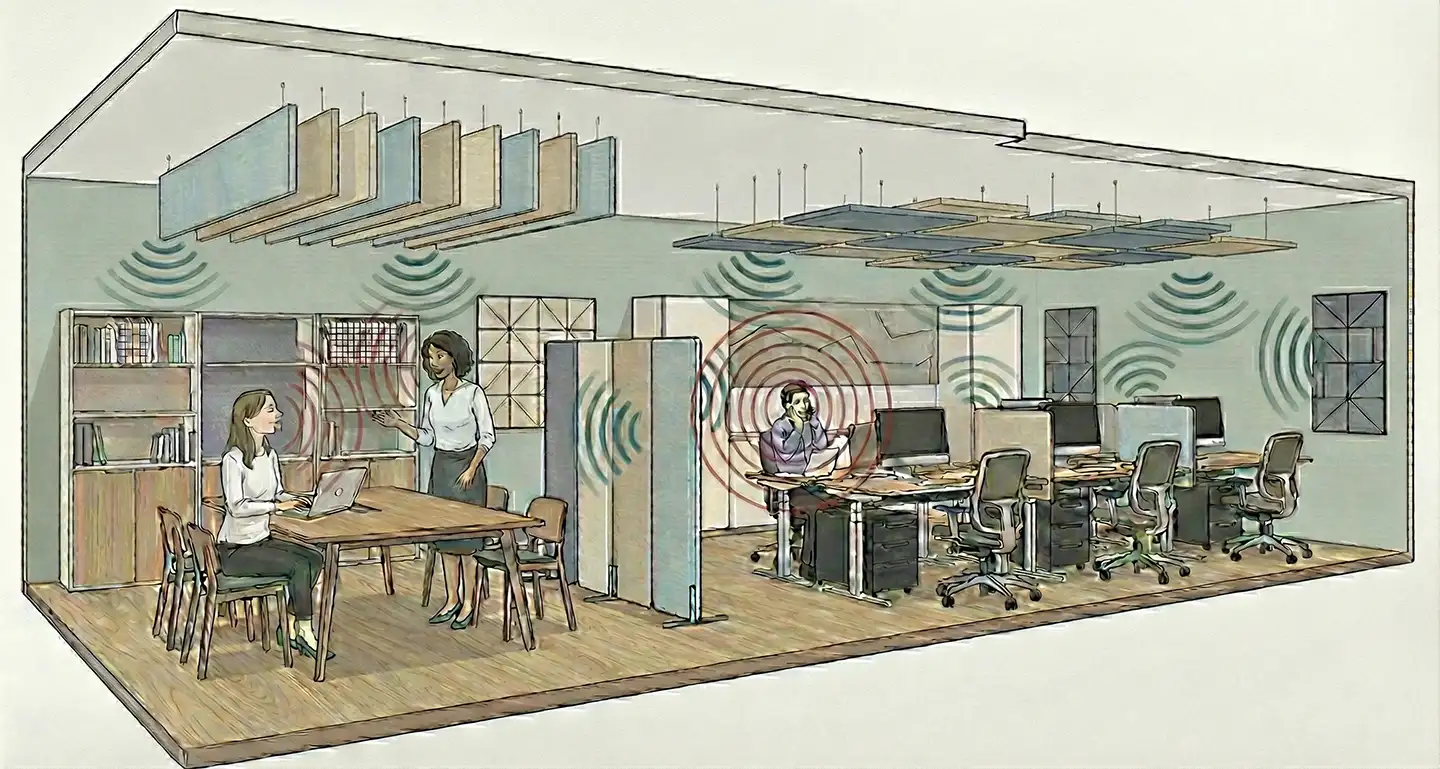
An office layout split in to areas to help control sound
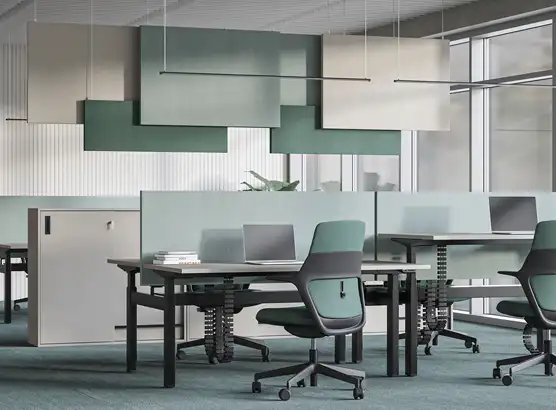
Suspended acoustic rafts above office desks
A focus space with acoustic seating and booths in the office.

Improving acoustics starts with the floorplan. By grouping high-energy activities (like sales or collaboration) together and separating them from deep-focus zones, you create natural acoustic buffers. We recommend placing "transit" areas, storage walls, or meeting pods between these zones to act as a sound shield. This ensures that the buzz of collaboration doesn't bleed into the silence required for concentration, allowing your team to move to the space that best suits their task.

Note: While this guide focuses on acoustics, controlling noise levels is also a fundamental pillar of neuroinclusive office design, helping to create environments that support all cognitive styles.

Open plan office with acoustic divides and baffles

Our Acoustic Toolkit: The Product Mix

  • Absorb: Desk-top dividing screens, sound absorbing wall panels, and acoustic ceiling canopies are your first line of defence against reverberation. For meeting rooms, add corner bass traps, wall panels and acoustic furniture.
  • Blocking: Tall closed storage units, freestanding floor partitions, and acoustic pods act as physical shields to stop sound paths.
  • Cover: While we focus on furniture, we can recommend sound masking integration services to raise the ambient background level and reducing speech levels.
  • Diffusion: 3D-shaped wall tiles and suspended geometric baffles help scatter sound to reduce flutter echoes without deadening the room completely.

Common Office Noise Problems & Solutions

Reducing Distractions at the Desk

  • The Problem: In open-plan or smaller office space, voices travel easily across desks, the immediate "clatter" of keyboards and phone calls creates a high-stress environment where focus is constantly broken.
  • The Solution: Absorbing as much direct sound at the source before it spreads.
  • Our Product Focus: We utilise acoustic desk dividers to help block and absorb direct speech paths between colleagues. Freestanding floor screens can be placed at the end of desk banks to zone off teams, while ceiling canopies suspended directly above the workstations catch rising sound before it reflects off the flat ceiling.
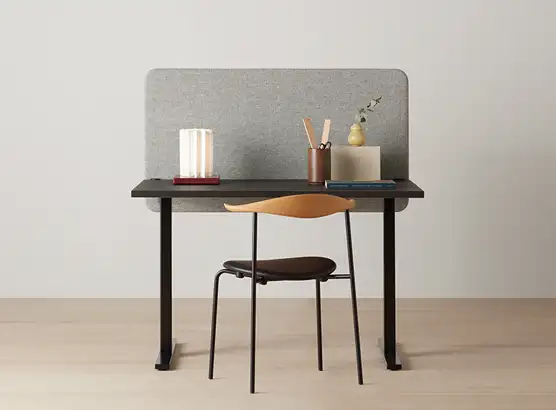
Acoustic desk dividers

Absorbing Desk Dividers

The essential sound barrier for office desking. These upholstered screens absorb speech at face level, reducing the 'halfalogue' distraction effect.
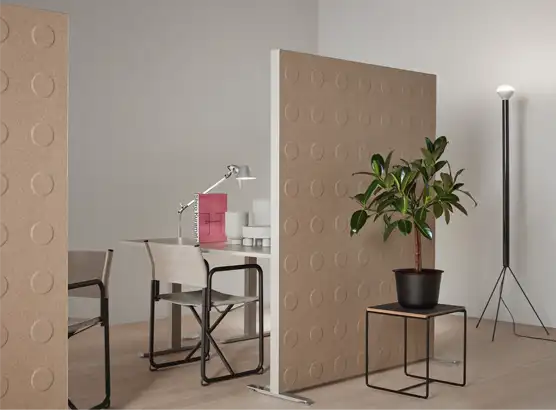
Acoustic freestanding floor office screens

Freestanding Office Screens

Mobile and modular floor partitions that allow you to reconfigure your zoning instantly, creating visual privacy and blocking sound travel.
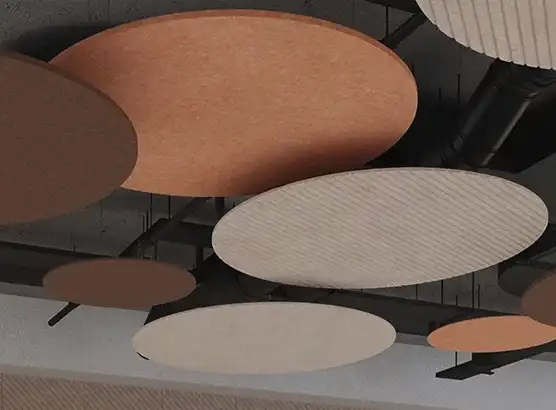
Acoustic canopies and rafts

Ceiling Canopies

Suspended acoustic rafts that hang directly over busy work clusters, trapping rising noise and preventing ceiling reflection. Tip: A height of 2.44m creates the best focus zone without feeling too enclosed.
Preventing noise transfer between zones

  • The Problem: Noise generated in collaborative zones or transit corridors "leaks" into quiet areas, disrupting staff who are trying to concentrate.
  • The Solution: Treat the "in-between" spaces to absorb (A), block (B) and diffuse (D) travelling sound.
  • Our Product Focus: We implement suspended acoustic baffles above transit spaces and collaborative areas to reduce sound travelling from one space to another. Tips: Suspended PET panels with cut-outs create interesting visual barriers that allow light to pass and trap sound, while tall storage units with acoustic backing can be used to physically wall off quiet zones without building permanent drywall.
Upholstered acoustic baffles

Ceiling Baffles

Vertical PET or upholstered acoustic fins suspended from the ceiling. They offer a dual surface area to reduce sound energy from travelling sound waves.
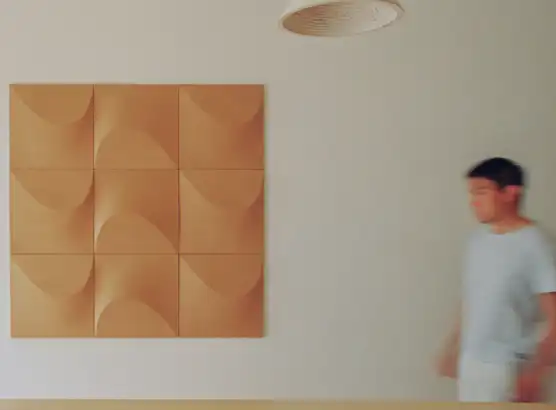
3D acoustic wall panels

Wall Panels

Decorative acoustic tiles that stop walls from acting as mirrors for sound, reducing the overall echo and reverberation time.
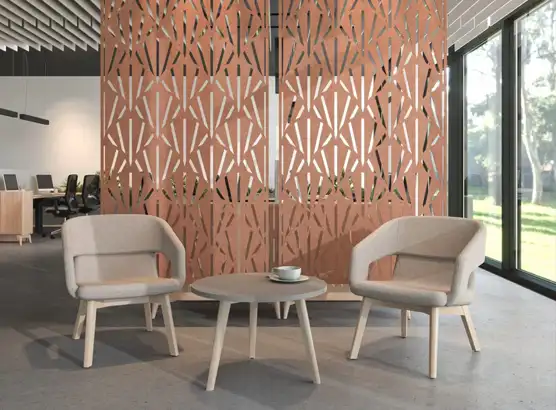
Suspended PET panels in waiting area

PET Panels

Lightweight, suspended screens made from recycled bottles that offer a stylish way to zone spaces and diffuse travelling noise.
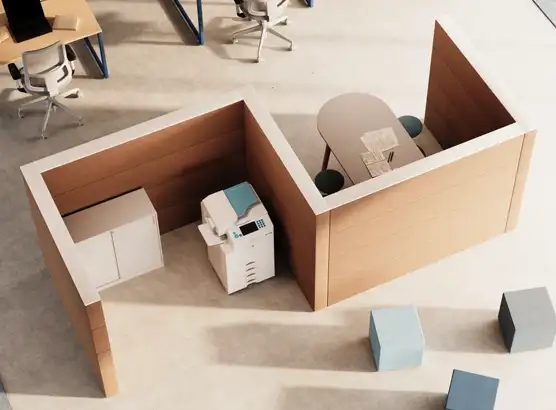
Optimising Focus Areas for Privacy

  • The Problem: Even in designated "quiet areas," open space leaves employees feeling exposed visually and aurally, making deep work difficult.
  • The Solution: Create "rooms within rooms" using high-backed acoustic furniture and office pods.
  • Our Product Focus: We use high-back acoustic sofas and hooded booths to wrap the user in silence. Zonal barriers visually demarcate the quiet space, while individual work pods provide a dedicated sanctuary for intense concentration and can be placed anywhere.
Upholstered zonal acoustic office partition

Zonal Dividing

Flexible partitioning systems that allow you to build semi-private neighbourhoods without needing construction work.
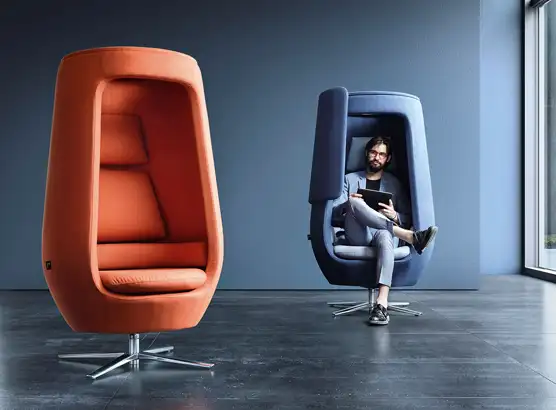
Acoustic focus single seat chair

Acoustic Seating

High-backed sofas and armchairs that act as a cocoon, blocking peripheral noise and signalling "do not disturb."
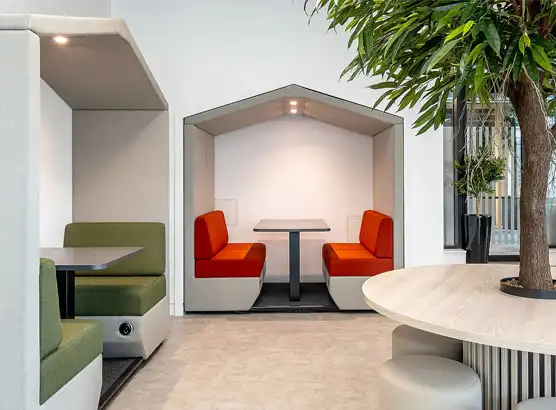
Soundproof office pod

Booths & Dens

Quiet team meeting spaces and huddles, quiet focus work or take a break in roofed office booths with built-in furniture.
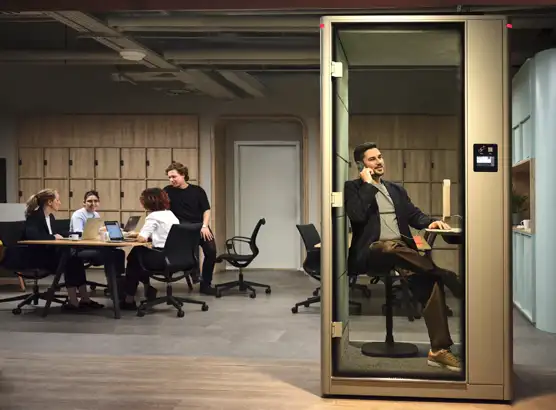
Containing loud phone calls and video meetings

  • The Problem: Enthusiastic phone calls or video meetings in open areas create a "boom" effect that breaks the concentration of everyone nearby.
  • The Solution: Total containment of the noise source.
  • Our Product Focus: We deploy Class A & B rated acoustic phone booths close to the workspace, giving staff a quick place to jump in for calls. For longer video calls, we recommend small single or dual user VC-equipped pods that keep the conversation private and the office quiet.
Office phone booths for private calls

Acoustic Phone Booths

Compact, single-person standing or sitting booths designed to contain short phone calls and protect office focus.
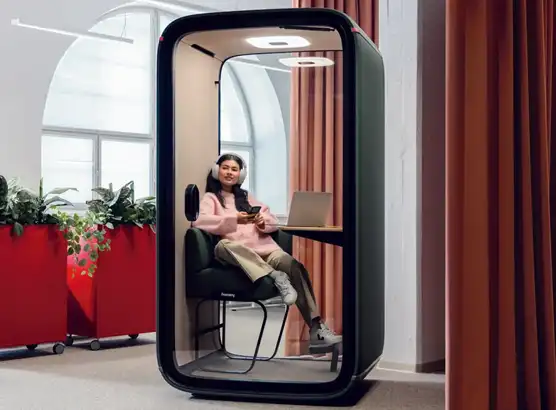
Zoom and Teams conferencing office pods

Video Conferencing Booths

Optimised with lighting and acoustics specifically for Zoom/Teams calls, ensuring you look and sound professional.
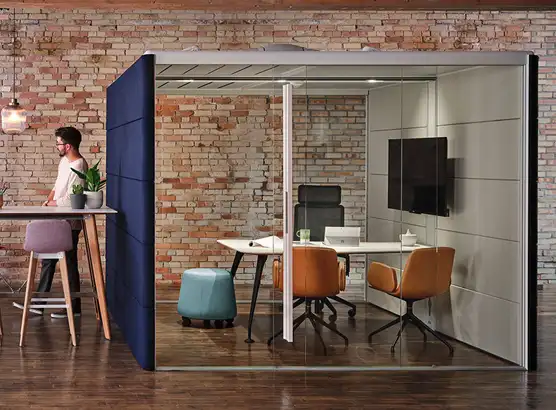
Acoustic office pod with fabric walls

Compact Office Pods

Small footprint work pods that provide a private desk environment for focused tasks without taking up meeting room space.

At Urban Office, we understand that every workspace sounds different. Whether you need to retro-fit absorption into a noisy call centre or design a neuroinclusive layout from scratch, our team can help you select the right mix of ABCD products. We don't just sell furniture; we create balanced soundscapes that return that lost 66% productivity to your business.

Contact Us to Discuss Your Workspace